Laptops in US Universities: Understanding the Supply Chain
Category : Computer components | Sub Category : Posted on 2024-09-07 22:25:23
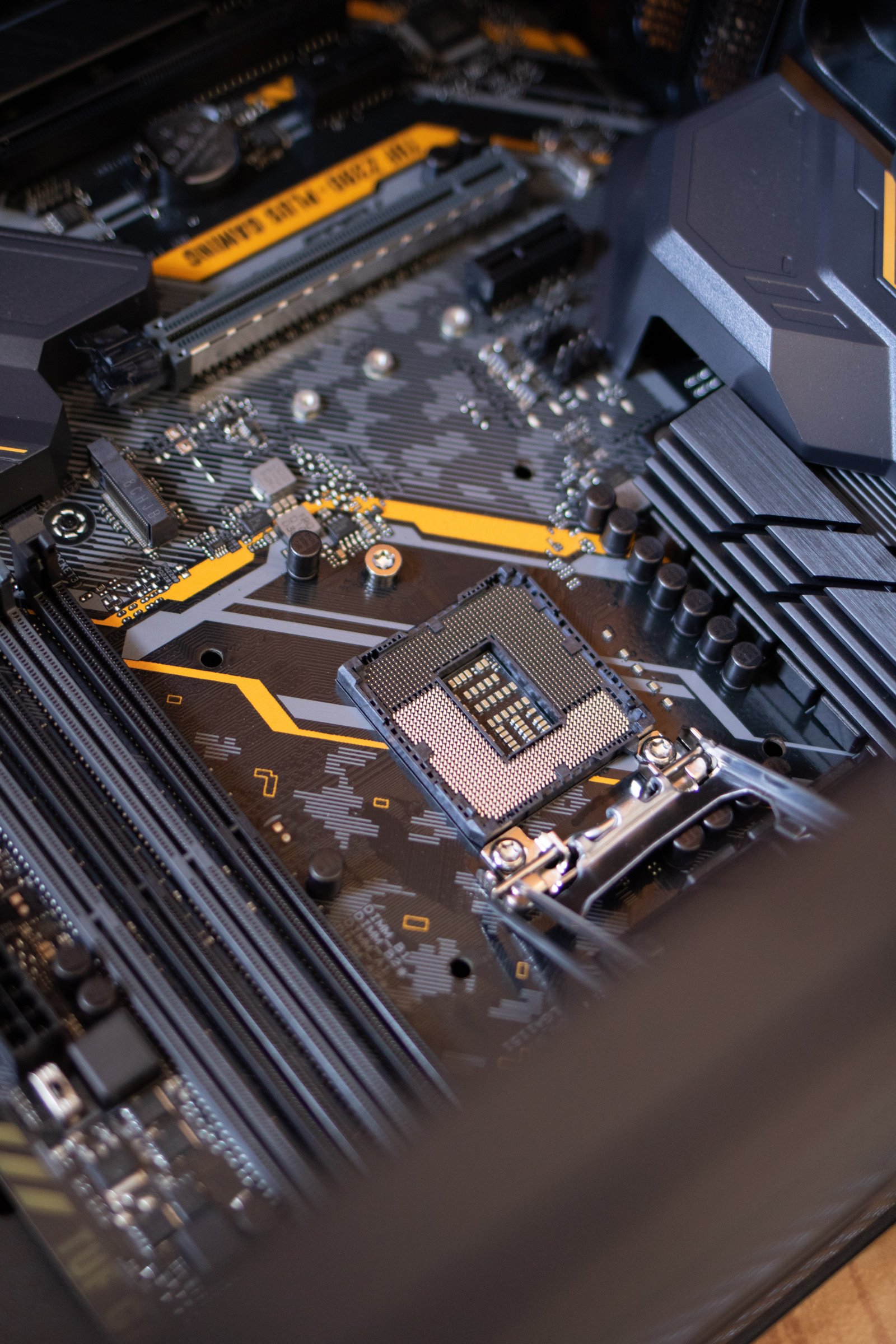
In today's digital age, laptops have become an essential tool for students, especially those studying in universities. With the increasing reliance on technology for learning and research, having a reliable and efficient laptop is crucial for academic success. In the United States, universities and colleges play a significant role in shaping the demand for laptops, which in turn impacts the supply chain of these devices. The supply chain of laptops in US universities is a complex network that involves multiple stakeholders, including manufacturers, distributors, retailers, and consumers. Understanding how this supply chain operates can provide insights into the factors that influence the availability and pricing of laptops in the education sector. Manufacturers are a key player in the supply chain of laptops for US universities. These companies produce a wide range of laptop models that cater to the specific needs of students and educators. From budget-friendly options to high-end devices with advanced features, manufacturers work closely with universities to ensure that their products meet the technical requirements of academic programs. Distributors and retailers also play a crucial role in the supply chain by distributing laptops to university stores, online retailers, and other channels where students can purchase the devices. These intermediaries help bridge the gap between manufacturers and consumers, ensuring that laptops are readily available to students at competitive prices. In recent years, the COVID-19 pandemic has further highlighted the importance of laptops in higher education, as remote learning and online classes have become the new norm. This shift has led to an increased demand for laptops among students, prompting universities to collaborate with manufacturers to secure a steady supply of devices for their students. Supply chain disruptions, such as component shortages and shipping delays, have posed challenges for the availability of laptops in US universities. These disruptions can impact the pricing of laptops and lead to delays in fulfilling orders, affecting both students and institutions. To address these challenges, universities are exploring new strategies to optimize their supply chain management practices. By working closely with manufacturers, implementing inventory management systems, and leveraging technology to track supply and demand trends, universities can ensure a seamless flow of laptops to meet the needs of their students. In conclusion, laptops play a vital role in the academic life of students in US universities, and understanding the supply chain of these devices is essential for ensuring their timely availability and affordability. By collaborating with stakeholders across the supply chain, universities can navigate challenges and create a conducive learning environment for students through reliable access to technology.
Leave a Comment:
SEARCH
Recent News
- Zurich, Switzerland, and Milan, Italy, are two of Europe's bustling cities known for their vibrant cultures and economic activities. Zurich, the largest city in Switzerland, is renowned for its high quality of life, efficient public transportation system, and picturesque setting along Lake Zurich and the Limmat River. Milan, on the other hand, is Italy's financial and fashion capital, home to prestigious fashion houses, historic landmarks, and a thriving e-commerce industry.
- Zurich, Switzerland is known for its picturesque landscapes, innovative technology, and thriving economy. As a hub for business and commerce, Zurich has also seen significant growth in e-commerce platforms over the years. With the rise of online shopping and digital transactions, having secure and efficient payment solutions is crucial for businesses in Zurich to thrive in the competitive market.
- YouTube Content Creation and Translation: A Key Strategy for Milan E-Commerce Success
- In today's digital age, YouTube has emerged as a powerful platform for content creation and sharing. From tutorial videos and product reviews to vlogs and entertainment, YouTube offers a vast array of content that caters to a global audience. For content creators looking to expand their reach, one key strategy is translating their videos to tap into non-English speaking markets.
- Milan_e_commerce is a dynamic YouTube channel that focuses on providing valuable insights and tips for e-commerce entrepreneurs. With a dedicated team of experts in the field of online retail, Milan_e_commerce strives to help individuals succeed in the competitive world of e-commerce.
- If you are running a YouTube channel focused on e-commerce and looking for reliable payment solutions to enhance your online business, you have come to the right place. In today's digital age, having effective payment solutions in place is crucial for the success of any e-commerce venture. With the increasing popularity of online shopping, customers expect a seamless and secure payment process when making purchases. As a YouTube content creator in the e-commerce space, it is essential to provide your audience with convenient payment options to optimize their shopping experience.
- Mastering Work Skills Development in Milan's E-commerce Industry
- In the fast-growing world of e-commerce, having a seamless and secure payment solution is crucial for the success of any online business. Developing the right work skills in this area can make a significant difference in how efficiently payments are processed, customer satisfaction levels, and ultimately, the bottom line.