Troubleshooting Common Laptop Issues for Students in USA Universities
Category : Computer components | Sub Category : Posted on 2024-09-07 22:25:23
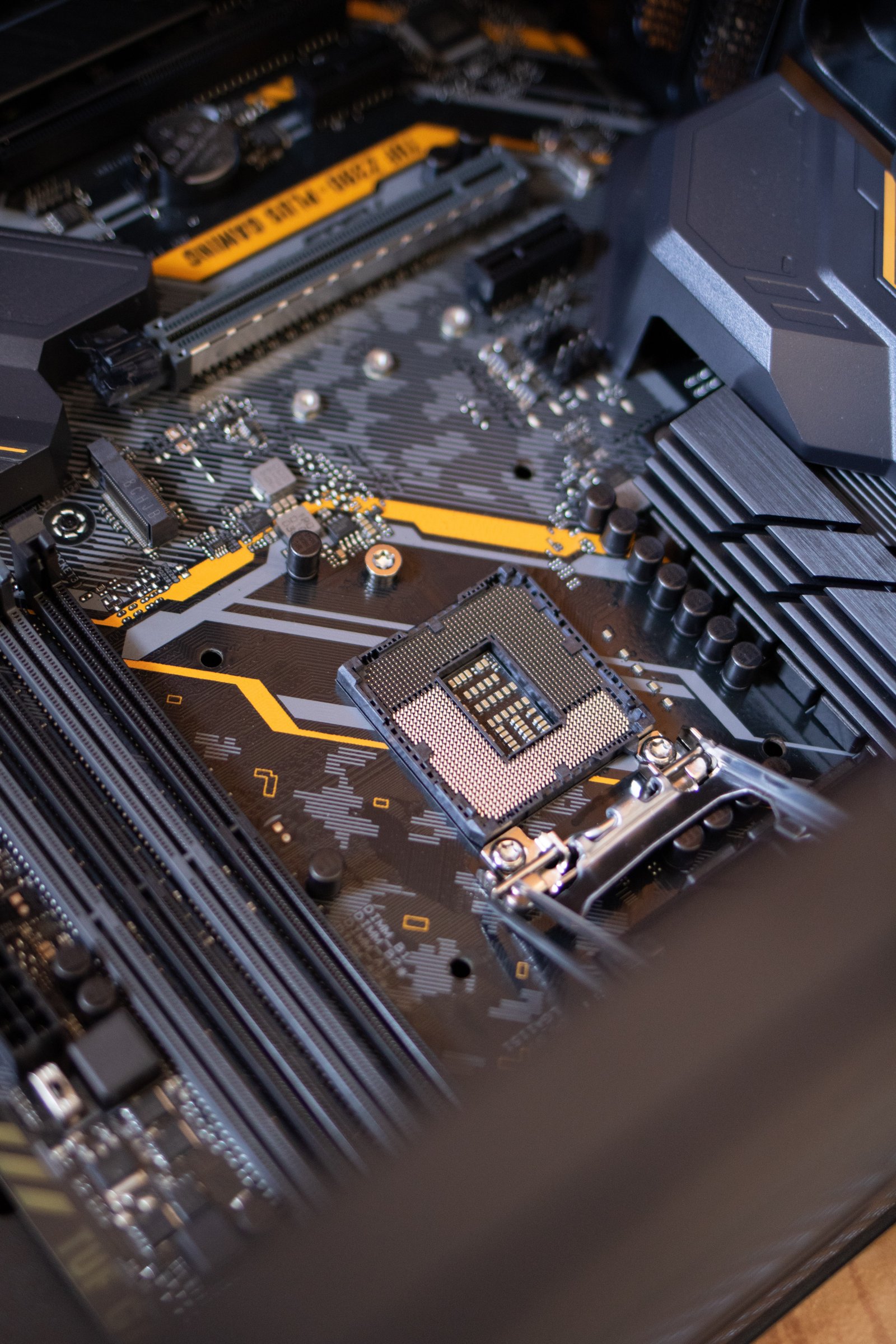
In today's digital age, laptops are essential tools for students attending universities in the USA. From taking notes in class to submitting assignments online, laptops play a crucial role in the academic journey of students. However, like any electronic device, laptops can encounter issues that may disrupt a student's productivity. In this blog post, we will discuss some common laptop problems that students in USA universities may face and provide troubleshooting tips to help them overcome these challenges. 1. Slow Performance: One of the most frustrating issues students may encounter is a slow-performing laptop. This can be caused by a buildup of temporary files, outdated software, or insufficient memory. To improve performance, students can try deleting unnecessary files, updating their operating system and applications, and increasing their laptop's RAM if possible. 2. Overheating: Laptops can heat up quickly, especially when running multiple programs simultaneously. Overheating can lead to performance issues and even hardware damage. To prevent overheating, students should ensure their laptop has proper ventilation by keeping air vents clear and using a laptop cooling pad if necessary. 3. Battery Drainage: Another common issue is rapid battery drainage, which can limit a student's ability to work on-the-go. To extend battery life, students can adjust their laptop's power settings, close unnecessary programs running in the background, and reduce screen brightness when not needed. 4. Internet Connectivity Problems: In today's interconnected world, a stable internet connection is essential for students to access online resources and communicate with professors and classmates. If students are experiencing internet connectivity issues on their laptops, they can troubleshoot by restarting their router, checking for software updates, and resetting network settings. 5. Screen Display Issues: Students may encounter screen display problems such as flickering, pixelation, or a blank screen. These issues can be caused by loose connections, outdated graphics drivers, or a faulty display. Students can troubleshoot screen display problems by updating graphics drivers, adjusting display settings, or connecting their laptop to an external monitor to determine if the issue is with the laptop screen itself. 6. Virus and Malware Infections: Security threats such as viruses and malware can compromise a student's personal data and affect their laptop's performance. To protect against these threats, students should install reliable antivirus software, regularly scan their laptop for malware, and avoid clicking on suspicious links or downloading unknown files. By being aware of these common laptop issues and implementing the troubleshooting tips provided, students in USA universities can ensure that their laptops remain in optimal condition to support their academic endeavors. Remember, if a problem persists or seems beyond your ability to fix, don't hesitate to seek assistance from your university's IT department or a professional technician. A well-maintained laptop is a valuable tool that can help students succeed in their studies and beyond. For a broader perspective, don't miss https://www.arreglar.org
Leave a Comment:
SEARCH
Recent News
- Zurich, Switzerland, and Milan, Italy, are two of Europe's bustling cities known for their vibrant cultures and economic activities. Zurich, the largest city in Switzerland, is renowned for its high quality of life, efficient public transportation system, and picturesque setting along Lake Zurich and the Limmat River. Milan, on the other hand, is Italy's financial and fashion capital, home to prestigious fashion houses, historic landmarks, and a thriving e-commerce industry.
- Zurich, Switzerland is known for its picturesque landscapes, innovative technology, and thriving economy. As a hub for business and commerce, Zurich has also seen significant growth in e-commerce platforms over the years. With the rise of online shopping and digital transactions, having secure and efficient payment solutions is crucial for businesses in Zurich to thrive in the competitive market.
- YouTube Content Creation and Translation: A Key Strategy for Milan E-Commerce Success
- In today's digital age, YouTube has emerged as a powerful platform for content creation and sharing. From tutorial videos and product reviews to vlogs and entertainment, YouTube offers a vast array of content that caters to a global audience. For content creators looking to expand their reach, one key strategy is translating their videos to tap into non-English speaking markets.
- Milan_e_commerce is a dynamic YouTube channel that focuses on providing valuable insights and tips for e-commerce entrepreneurs. With a dedicated team of experts in the field of online retail, Milan_e_commerce strives to help individuals succeed in the competitive world of e-commerce.
- If you are running a YouTube channel focused on e-commerce and looking for reliable payment solutions to enhance your online business, you have come to the right place. In today's digital age, having effective payment solutions in place is crucial for the success of any e-commerce venture. With the increasing popularity of online shopping, customers expect a seamless and secure payment process when making purchases. As a YouTube content creator in the e-commerce space, it is essential to provide your audience with convenient payment options to optimize their shopping experience.
- Mastering Work Skills Development in Milan's E-commerce Industry
- In the fast-growing world of e-commerce, having a seamless and secure payment solution is crucial for the success of any online business. Developing the right work skills in this area can make a significant difference in how efficiently payments are processed, customer satisfaction levels, and ultimately, the bottom line.